On Writing, Envelopes, and the Female Gaze
Another Sunday, another weekly reflection post.
This is the 8th week since I created hypersubject.net. The effects of this experiment are already tangible. Compared to last year, I have already spent twice as many hours working on my blog(s) and nearly half that time writing even though we are only two months into 2026. I have already published 12 posts this year, which is far more than my total output for all of 2025.
Two weeks ago, I decided to write a blog post every day. Unfortunately, it didn’t work out. It’s better to focus on what I can accomplish rather than beating myself up for things I simply cannot. This week, I visited an exhibition of Bedri Rahmi Eyüboğlu’s drawings on the envelopes of his letters. In one of the letters, he writes about how writing letters is difficult and requires one to find an opportune time for it. It’s exactly the same for blog posts; they demand their own time and space to emerge.
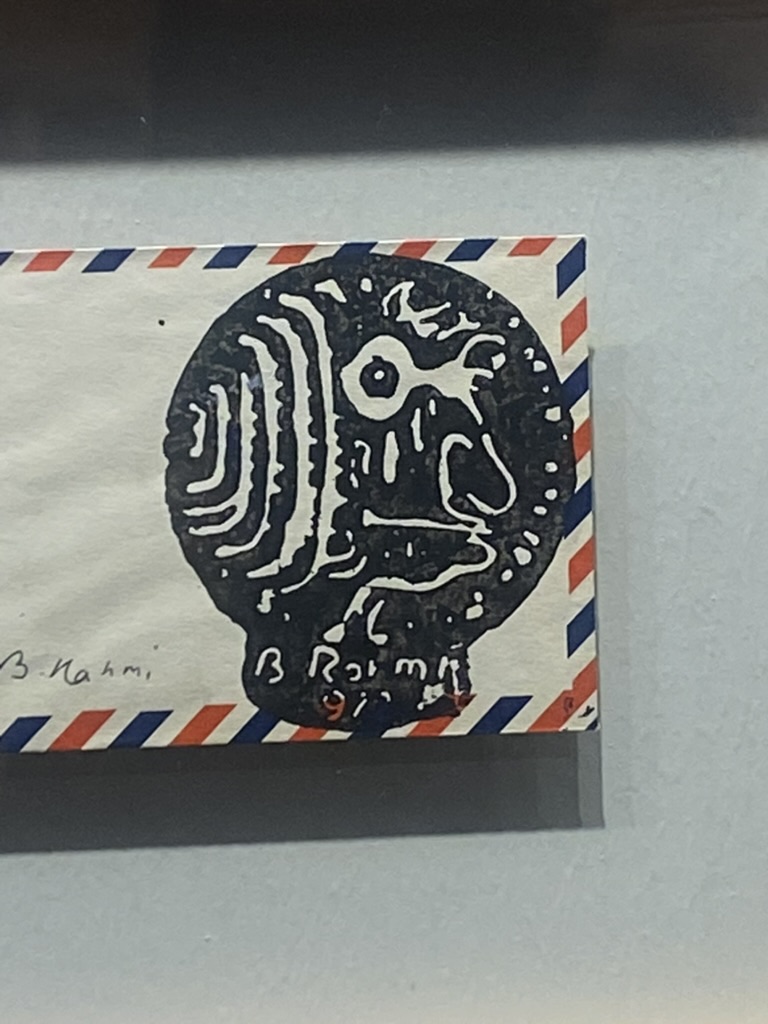
Bedri Rahmi Eyüboğlu, Autoportrait on envelope
My wife and I started watching The Museum of Innocence, a miniseries based on Orhan Pamuk’s novel. When she first suggested it, my initial reaction was negative—I have a natural aversion to anything popular. But I caved, and I’m glad I did. This might be one of the best things I’ve watched in my native language. And the directing… Zeynep Günay is doing something magical. In many scenes, I thought, “Where has this level of directing been in other Turkish works?” I haven’t read the novel, but I am certain the director’s female perspective has only elevated the story. One could talk about obsession, repetition, and the objet petit a for hours. I would, if I were Žižek—but I am not.
Speaking of the female perspective on the silver screen, this week I watched Hamnet, directed by Chloé Zhao. It’s easily the best movie I’ve seen recently. I don’t think it’s enough to say the movie is feminine; I would say the movie is a woman1. It tells the story of William Shakespeare by telling the story of his wife, Agnes Hathaway. If I could describe the feelings the movie awakened in me, I would be a candidate to put my name right up there with Shakespeare himself.
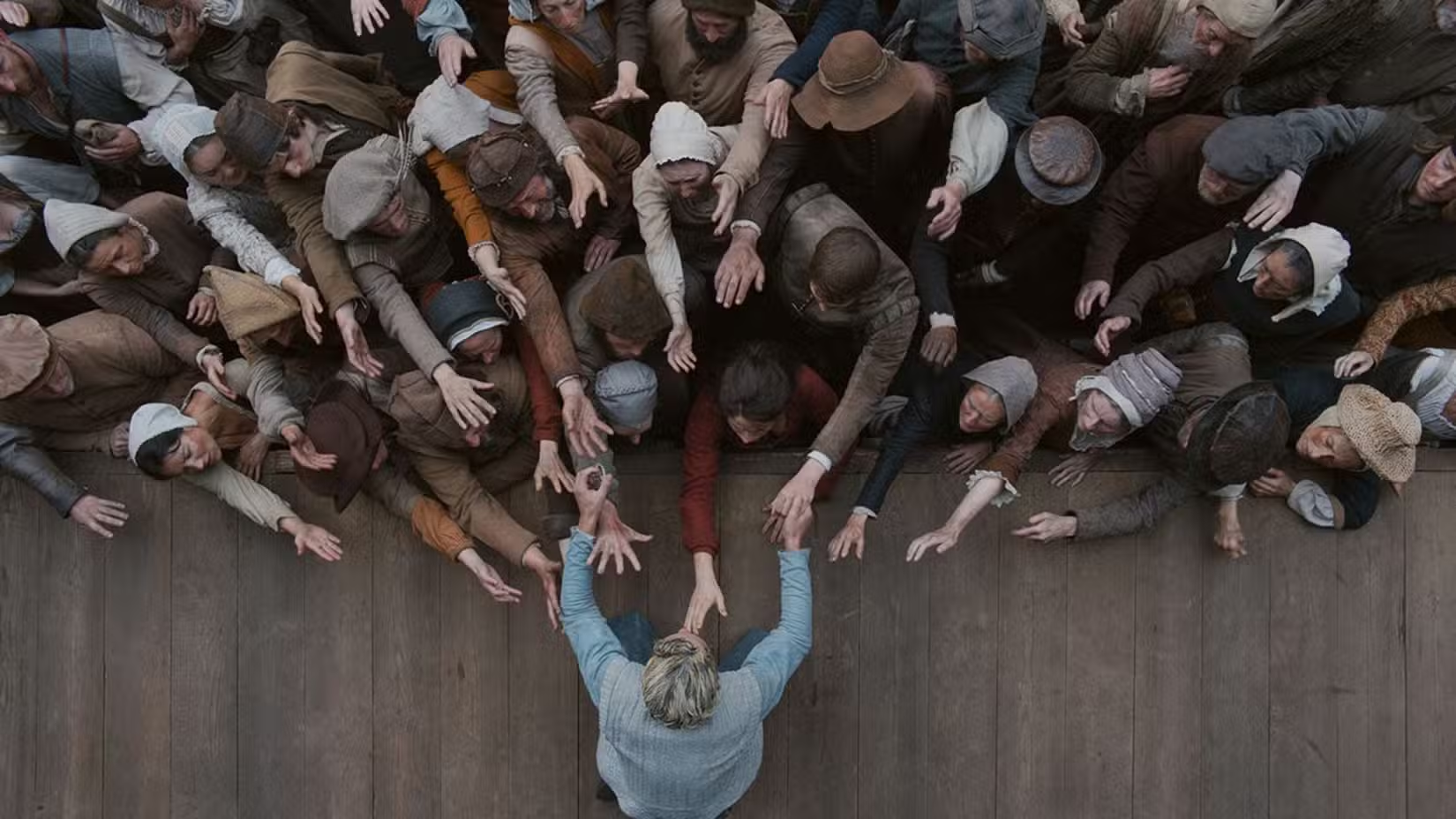
It was impossible to hold back tears in this scene.
-
Portrait of a Lady on Fire, written and directed by Céline Sciamma, was also like this. ↩︎
Comments
With an account on the Fediverse or Mastodon, you can respond to this post. Since Mastodon is decentralized, you can use your existing account hosted by another Mastodon server or compatible platform if you don't have an account on this one. Known non-private replies are displayed below.